Madrid Semana Santa 2026: An Accessible & Unique Easter Tradition
Madrid, a city renowned for its vibrant culture and historical grandeur, prepares to embrace one of its most profound and beautiful traditions: Semana Santa. In 2026, the Spanish capital will once again transform its historic streets into a canvas of devotion, art, and community spirit, offering visitors and locals an Easter experience that is both deeply traditional and uniquely Madrileño. Far from the grandiosity of some Andalusian celebrations,
Semana Santa 2026 Madrid promises an intimate, accessible, and deeply moving spectacle, perfect for those seeking an authentic cultural immersion.
From Friday, March 27th, to Sunday, April 5th, Madrid's Easter week will unfold with a captivating series of events. This period is more than just a religious observance; it's a social phenomenon that connects generations, a cultural showcase, and a testament to the city's enduring heritage. Whether you're a devout observer, a history enthusiast, an art lover, or simply curious about local customs, Madrid's Semana Santa offers a welcoming and enriching experience.
The Heartbeat of Tradition: Devotion and Community
The essence of
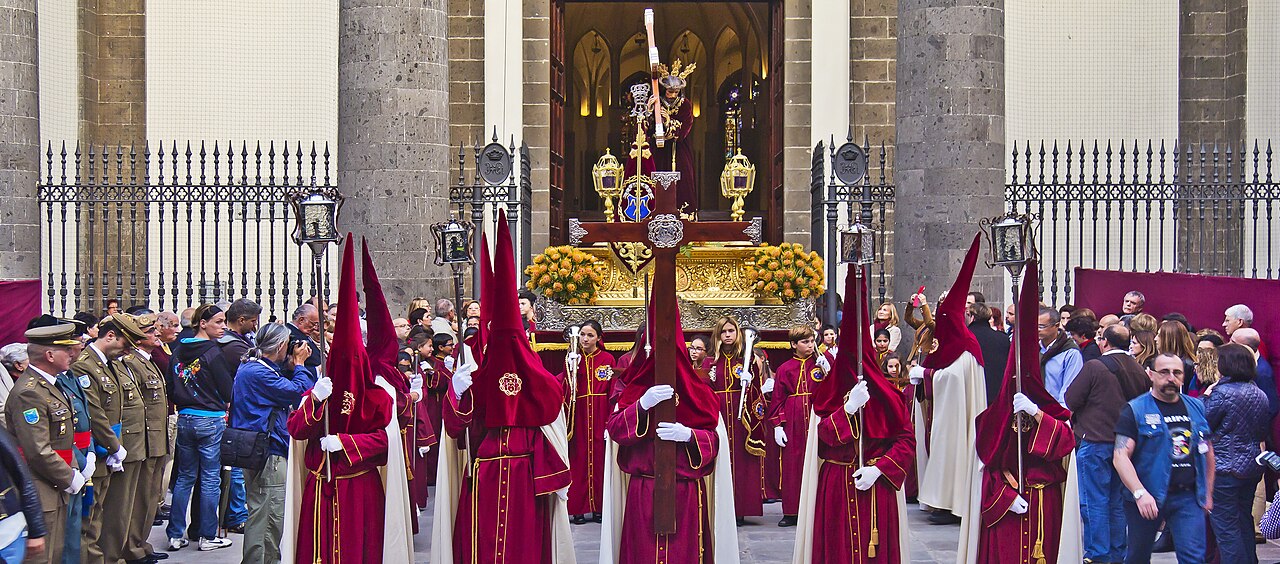
Semana Santa 2026 Madrid lies in its profound blend of religious fervor and communal participation. For months, local cofradías (brotherhoods) and hermandades (confraternities) meticulously prepare for these solemn days. This includes the restoration and adornment of the 'pasos' – elaborate, often centuries-old sculptural floats depicting scenes from the Passion of Christ. These artistic masterpieces are carried through the city streets on the shoulders of costaleros, an act of immense physical and spiritual dedication.
The processions are a feast for the senses: the rhythmic, haunting sound of tambores (drums) and cornetas (bugles) fills the air, punctuated by moments of profound silence. The sweet, heavy scent of incienso (incense) wafts through narrow alleys, mingling with the springtime aroma of orange blossoms. Spectators line the routes, often silently and respectfully, watching the solemn march of hooded penitents, known as Nazarenos, their faces covered as a sign of penance. This atmosphere creates a powerful, almost meditative experience, drawing onlookers into the narrative of Easter.
Unlike some of Spain's more flamboyant Easter celebrations, Madrid's Semana Santa maintains a distinctive solemnity and closeness. Its routes are often more manageable, winding through historic plazas, ancient churches, and charming pedestrian streets. This provides a more intimate viewing experience, allowing spectators to feel truly connected to the unfolding tradition. The involvement of Madrid’s residents is palpable, from the intricate decoration of balconies along procession routes to the logistical support that ensures each event runs smoothly. This collective effort transforms the city into a living stage, reinforcing a shared sense of identity and belonging. For a deeper dive into the cultural fabric of this event, read our article:
Experience Madrid's Semana Santa 2026: Culture, Devotion & Community.
An Accessible Easter Experience in the Capital
One of the most appealing aspects of
Semana Santa 2026 Madrid is its inherent accessibility. While other major cities may draw overwhelming crowds, Madrid offers a more relaxed and navigable experience, particularly for families, elderly visitors, or those with mobility considerations.
*
Manageable Routes: The "assumable routes" mentioned in our reference context mean that processions often cover distances that are easier to follow, making it possible to witness multiple events without feeling exhausted or lost in vast crowds.
*
Excellent Public Transport: Madrid boasts an extensive and efficient public transport system (metro, buses) that makes navigating the city during Semana Santa incredibly convenient. Even with street closures for processions, alternative routes are generally well-signposted, and public transport remains largely uninterrupted, allowing easy access to different viewing points.
*
Strategic Viewing: For those seeking less crowded vantage points, consider finding a spot a little further along the route, away from the immediate vicinity of churches or major plazas where processions begin or pause. Elevated positions, such as balconies (if accessible) or slightly raised pavements, can also offer clearer views. Check local accessibility guides closer to the date for specific recommendations on barrier-free viewing areas.
*
Softer Pace: The overall tone of Madrid's processions is often described as "sober and close," which translates into a less frenetic pace compared to some other regions. This allows for a more reflective experience and makes it easier for everyone to absorb the beauty and significance of the events.
With over 30 official processions anticipated between March 27th and April 5th, 2026, there will be ample opportunities to witness this unique tradition. The festivities officially kick off on Friday, March 27th, with prominent processions such as those of the
Cristo del Pozo and the
Santísimo Cristo del Perdón, setting a solemn tone for the week ahead.
Beyond the Processions: Culture, Art, and Gastronomy
While the processions are undoubtedly the highlight,
Semana Santa 2026 Madrid offers a rich tapestry of cultural and gastronomic experiences that complement the religious observances. Madrid, as a European capital, seamlessly blends ancient traditions with its modern, bustling life.
*
Sacred Art and Exhibitions: Many of Madrid's historic churches and basilicas, which serve as the starting points for processions, house incredible works of sacred art. During Semana Santa, some may offer special exhibitions or extended viewing hours, providing a deeper insight into the artistic heritage connected to Easter. Keep an eye out for classical music concerts or religious choral performances that often take place in churches and cultural centers during this period.
*
Culinary Delights: Semana Santa also marks a specific period in Spanish gastronomy. Traditional Lenten dishes, historically observed during fasting periods, take center stage. You absolutely must try
torrijas – a delightful Spanish-style French toast soaked in milk or wine, sweetened, and fried – found in almost every bakery and restaurant. Other traditional delights include
potaje de vigilia (a chickpea and spinach stew with cod) and
buñuelos de viento (light, fried pastries). Exploring local markets and traditional eateries will offer a delicious immersion into Madrid's culinary heritage during this time.
*
Exploring Historic Madrid: The procession routes themselves often traverse Madrid's most iconic and historic neighborhoods, including areas around Plaza Mayor, Puerta del Sol, and the charming streets of La Latina and Austrias. This provides an excellent opportunity to explore these picturesque areas, soak in their history, and appreciate the city's architecture, all while experiencing a unique cultural event.
Planning Your Visit for Semana Santa 2026 Madrid
While the full, detailed program for
Semana Santa 2026 Madrid, including exact timings and specific routes for all 30+ processions, is typically released closer to the event by the Madrid City Council, knowing the dates (March 27th to April 5th) allows for early travel planning.
We recommend booking accommodations well in advance, especially if you wish to stay in central areas, as Madrid sees a significant influx of visitors during this period. Keep an eye on official tourism websites and local news outlets for the most up-to-date information on schedules and any changes. For detailed updates on the calendar of events, make sure to check our dedicated page:
Semana Santa 2026 Madrid: Dates, Over 30 Processions & Updates.
Madrid’s Semana Santa offers a distinct charm that sets it apart. Its accessible nature, combined with a profound sense of tradition and community, makes it an unforgettable experience. Prepare to be captivated by the solemn beauty, the rich culture, and the heartfelt devotion that define Easter in Spain's vibrant capital.